.png)

A sustainable faucet is about more than using less water. It also comes down to water efficiency, durability, repairability and how long the product stays in use.
For homeowners, contractors and specifiers looking for more sustainable plumbing products, here are some of the key things to consider.
Water Efficiency
Reducing water use is one of the most direct ways a faucet can contribute to a more sustainable home or building.
Water-efficient faucets are designed to deliver the performance people expect while limiting unnecessary water consumption. Features like efficient pressure compensated aerators and controlled flow rates can help reduce everyday water use without compromising functionality.
It also means using higher quality cartridges that are tested at higher cycle counts than the standard dictate. This means the cartridge will last longer, will be less prone to leaks and the faucet drips. This may sound benine, but according to the EPA, a single leaky faucet that drips at a rate of one drip per second can waste more than 3,000 gallons of water per year.
At Bélanger, many faucets are part of our ecologiq® range, designed to support more responsible water use. Select models are also WaterSense® certified, a recognized water-efficiency certification that can help support water-use objectives on projects pursuing LEED certification.
Built to Be Repaired, Not Replaced
A sustainable faucet should be considered over its entire lifecycle.
Being able to replace a cartridge, aerator or other component can extend the life of a faucet and help prevent an otherwise functional product from being discarded.
At Bélanger, valves and cartridges offer a limited lifetime warranty and replacement parts are maintained for 10 years after a product is discontinued, helping homeowners and plumbing professionals repair faucets rather than replace them unnecessarily.
“Sustainability is also about longevity. If we can design a faucet that performs efficiently, can be maintained and can still be repaired years after installation, we’re helping extend the useful life of that product.” - Karel Lysy, Product Engineering Manager
Tested and Certified Performance
Product certification is another important factor when choosing a faucet.
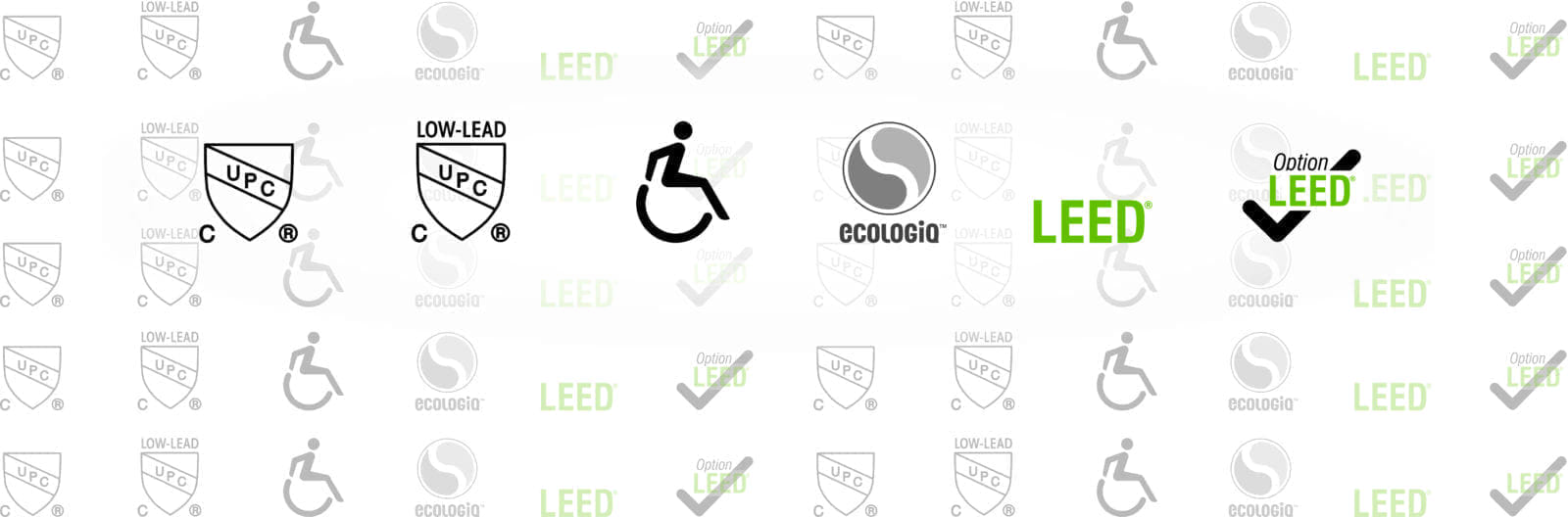
Bélanger faucets are IAPMO certified with cUPC listed, confirming that they meet applicable plumbing standards for use in Canada and the United States, although Belanger uses components which are tested above the required minimums.
Depending on the model, faucets may also include water-efficiency certifications or features such as WaterSense® and ecologiq®.
For architects, engineers, contractors and homeowners, these certifications make it easier to identify products that meet recognized criteria for performance, safety and water efficiency.
Durability Matters
Sustainable faucet design also means creating products that are built to withstand years of everyday use.
Durable materials, reliable cartridges and replaceable components can all contribute to a longer product lifespan. The longer a faucet stays installed and performs properly, the fewer materials, packaging and resources are needed to replace it.
So, What Makes a Faucet Sustainable?
A more sustainable faucet combines:
- Efficient water use
- Durable construction
- Repairable and replaceable components
- Long-term replacement-part availability
- IAPMO certification and cUPC listing
- WaterSense® certification on select models
- A design intended for long-term use
Sustainability in plumbing is about using fewer resources, but it is also about getting more life out of the products already in place.
At Bélanger, that means designing faucets that perform efficiently today while supporting maintenance and repair for years to come.


.png)
.jpg)